FROM OKINAWA, TO THE WORLD.

A Japanese tradition, made for a journey beyond the sea.

HOW OUR TOFU IS MADE

Soybeans. Water. Fire. The sea. And skilled hands.

Our tofu is rooted in the traditional tofu-making culture of Okinawa.
We continue to value the nama-shibori method, direct-flame cooking in a jigama kettle, and the use of seawater — while producing our tofu under modern food-safety controls.
This is how Ichiriki Shokuhin makes Okinawan tofu.

WASHING & SOAKING 01
01 — WASHING & SOAKING

IT BEGINS WITH SOYBEANS.

洗浄・浸漬

Every block of tofu begins with the beans.
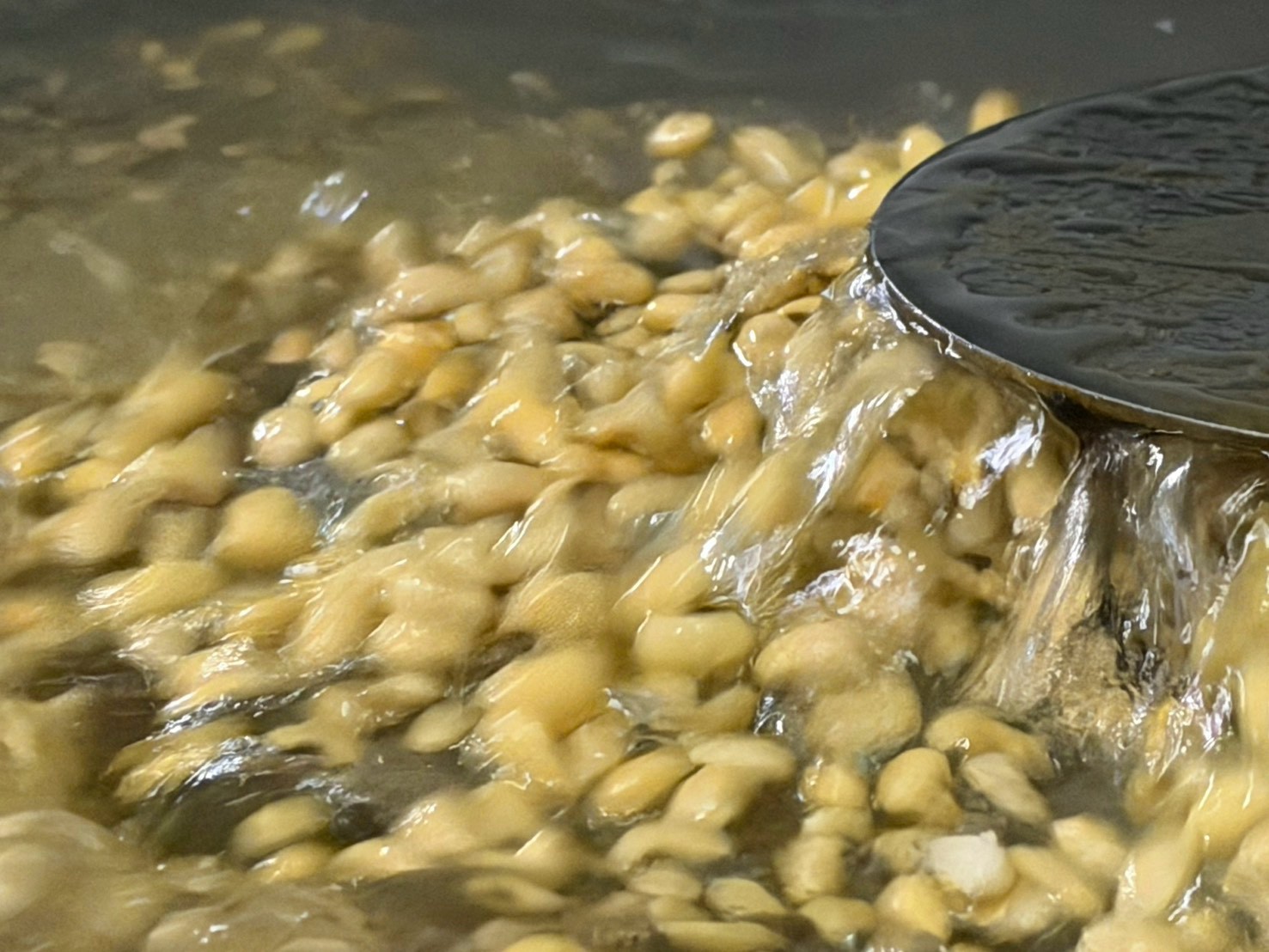
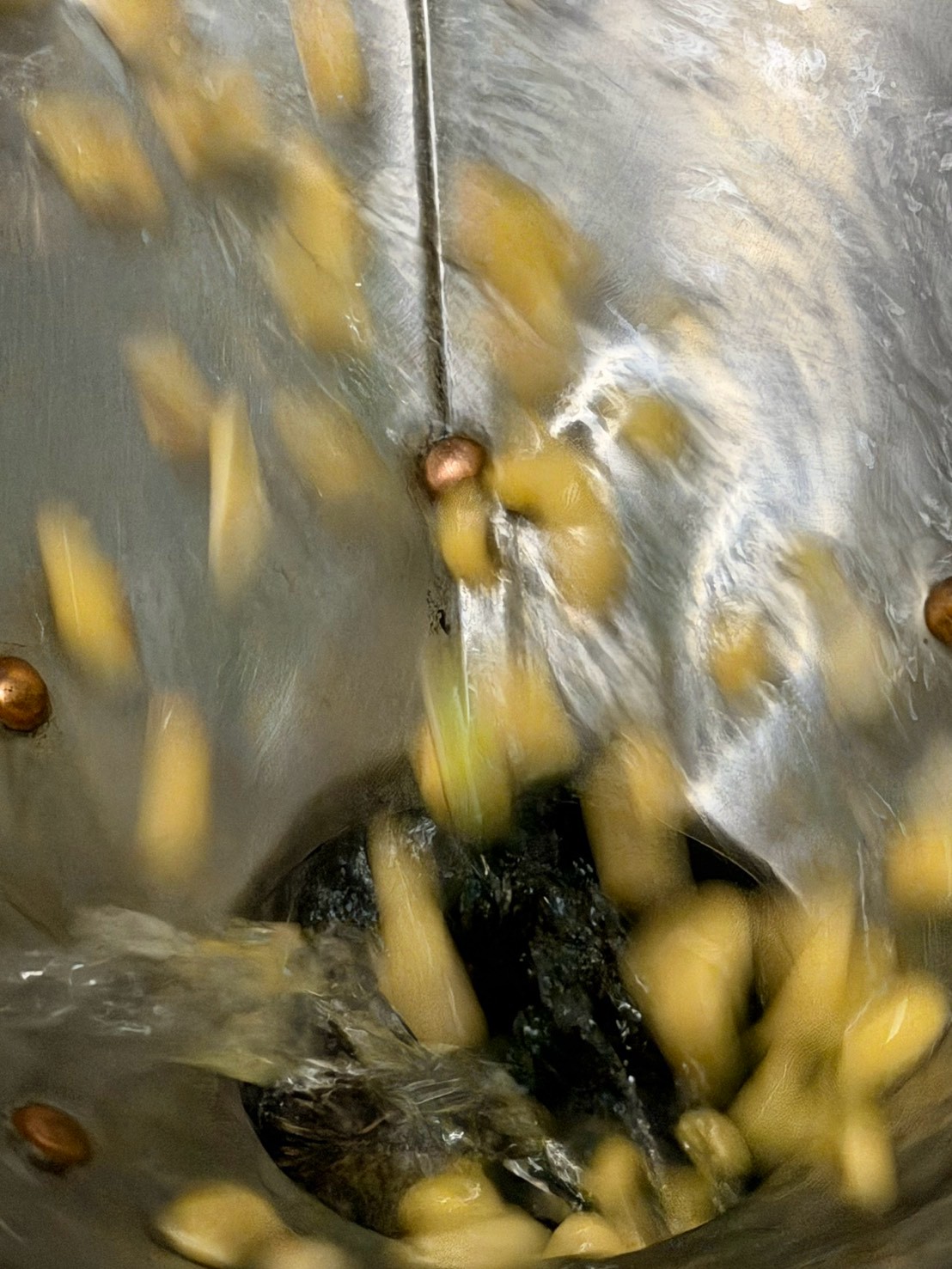
The soybeans are carefully washed and soaked in water, allowing them to absorb the moisture needed for the next stage of tofu-making.

GRINDING 02
02 — GRINDING

GROUND INTO A SOYBEAN MASH.

磨砕(呉)

The soaked soybeans are finely ground with water to create a fresh soybean mash.
This fresh soybean mash is known in Japanese as go.

NAMA-SHIBORI 03
03 — NAMA-SHIBORI

PRESSED BEFORE HEATING.

生搾り

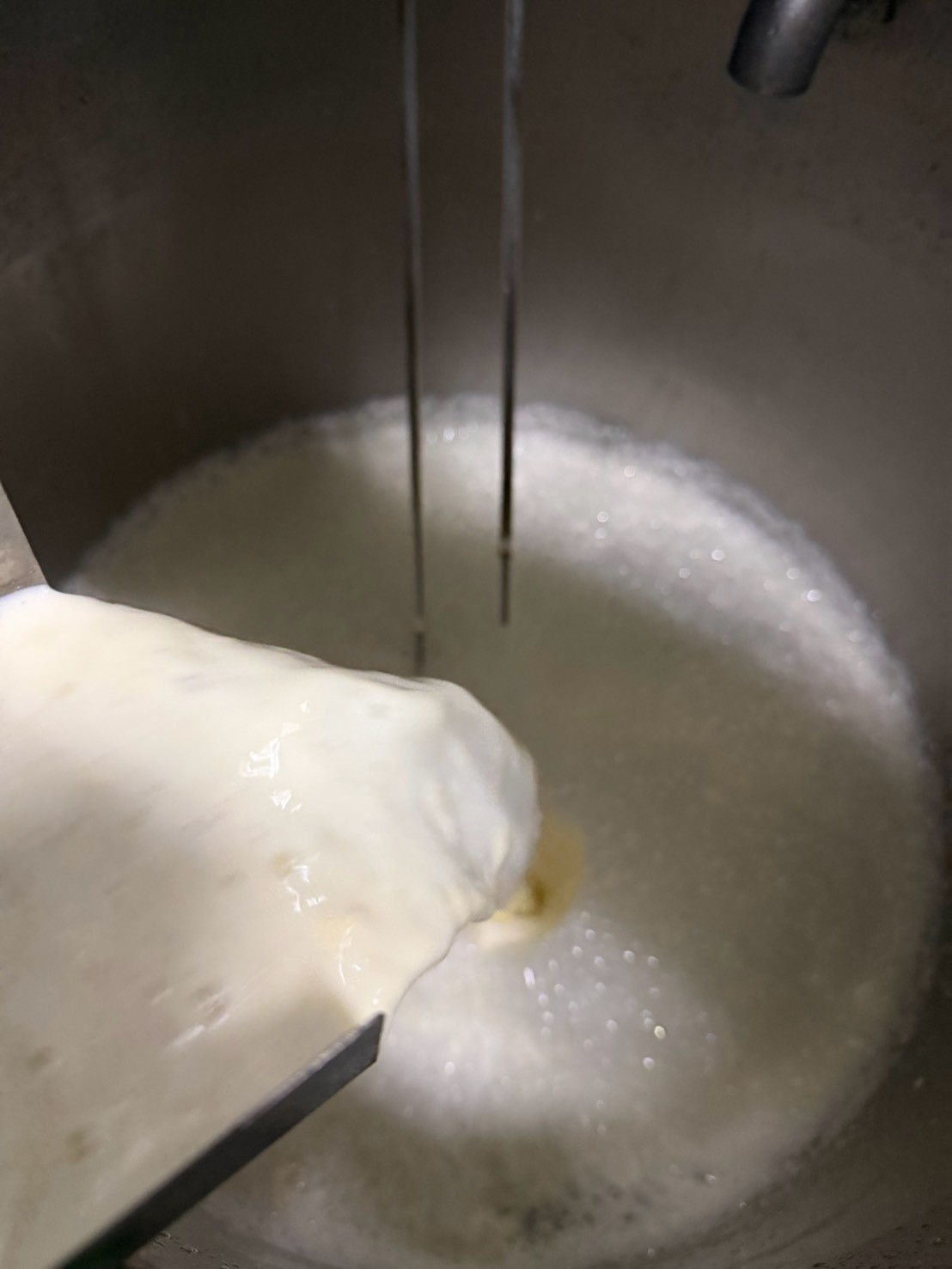
The fresh soybean mash is pressed before heating, separating the raw soy milk from the okara.
This process, known as nama-shibori, is one of the distinctive methods traditionally used in Okinawan tofu-making.

JIGAMA COOKING 04
04 — JIGAMA COOKING

COOKED OVER A DIRECT FLAME.

地釜で炊き上げる

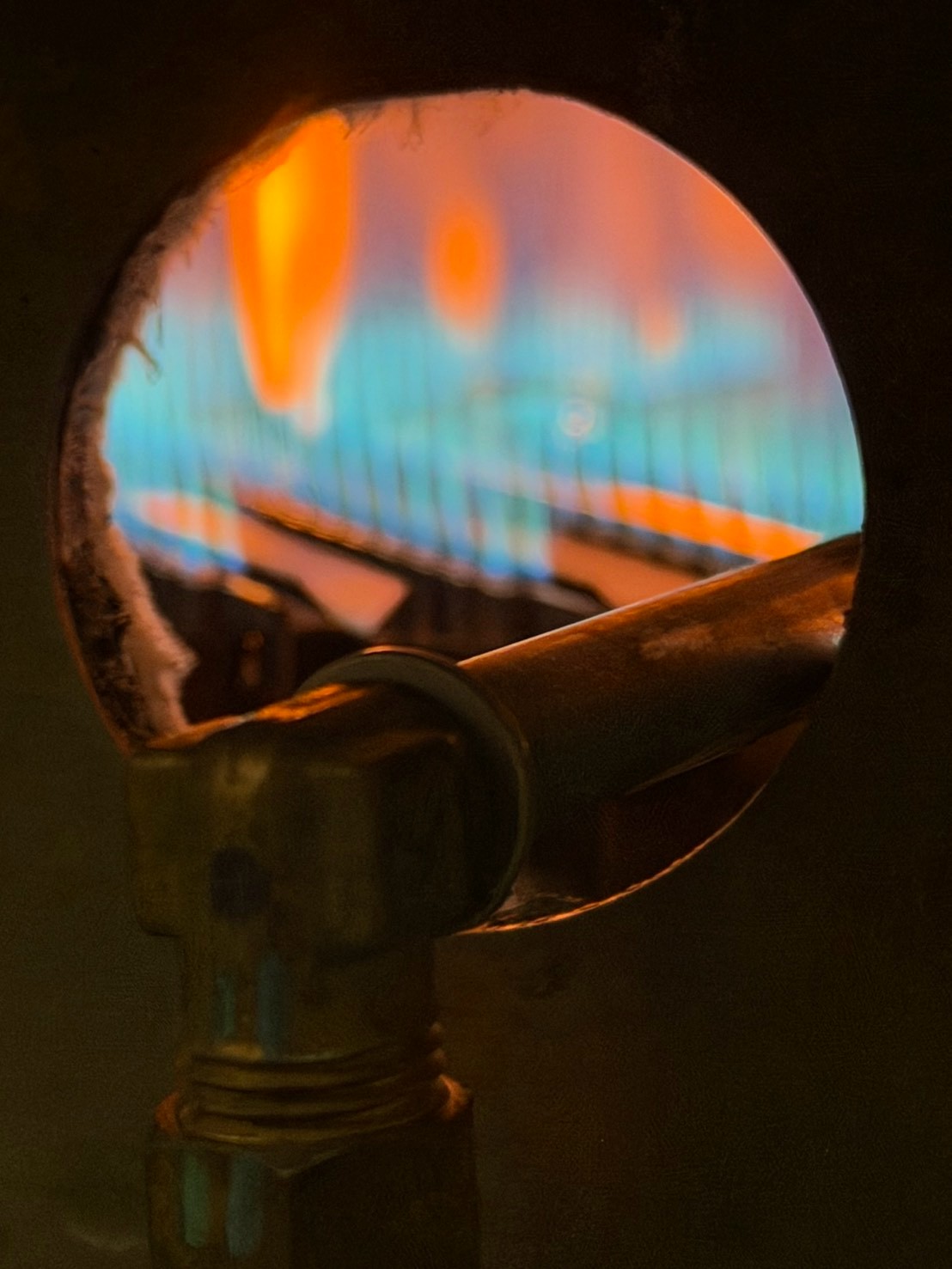
The freshly pressed soy milk is transferred to our approximately 200-liter jigama kettle and heated directly from below.
Our tofu makers carefully watch the condition of the soy milk and adjust the flame as it cooks.
Fire, soy milk and experience.
Some things cannot be measured by numbers alone.

COAGULATION 05
05 — COAGULATION

NIGARI AND OKINAWAN SEAWATER.

凝固

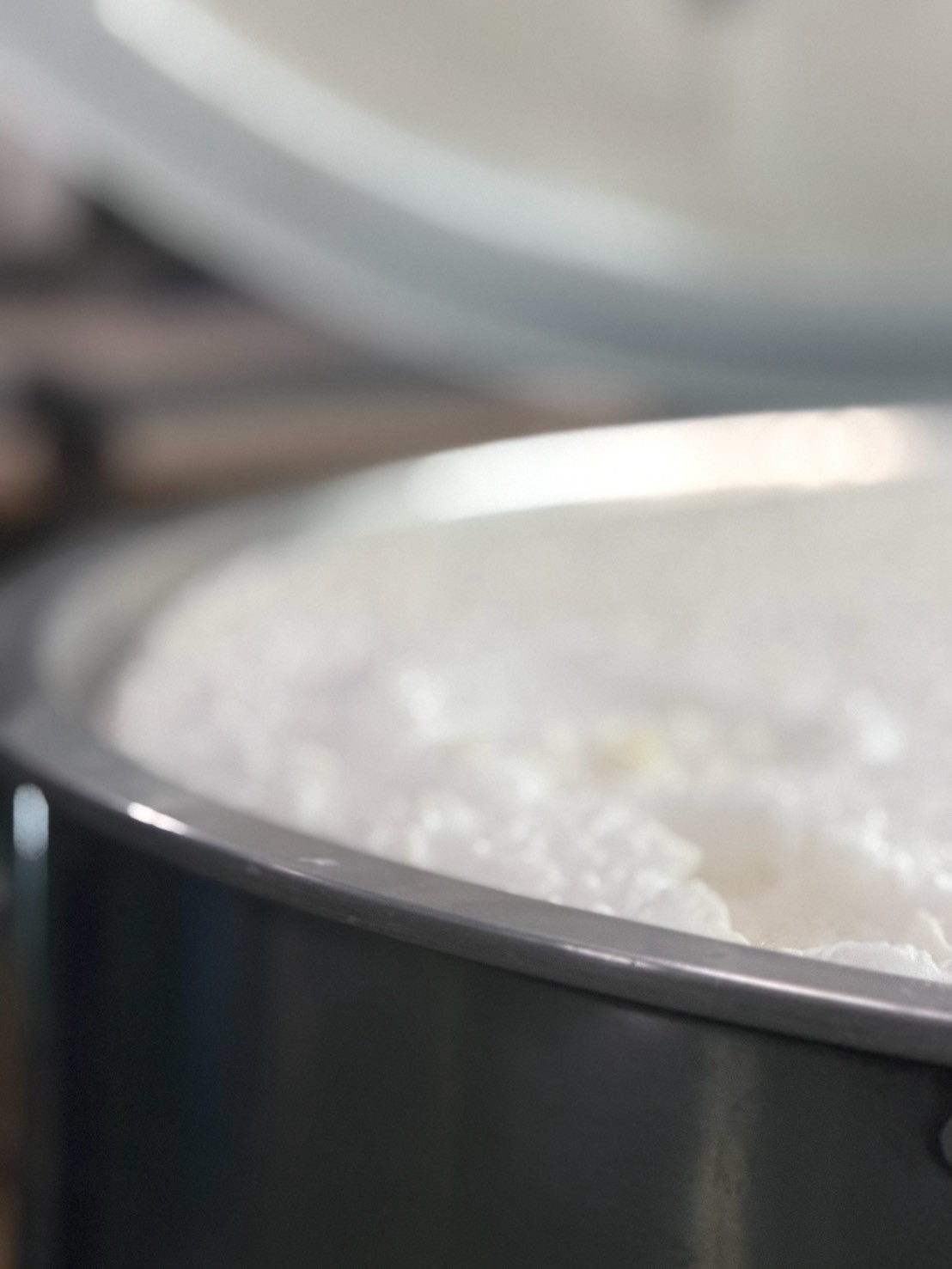
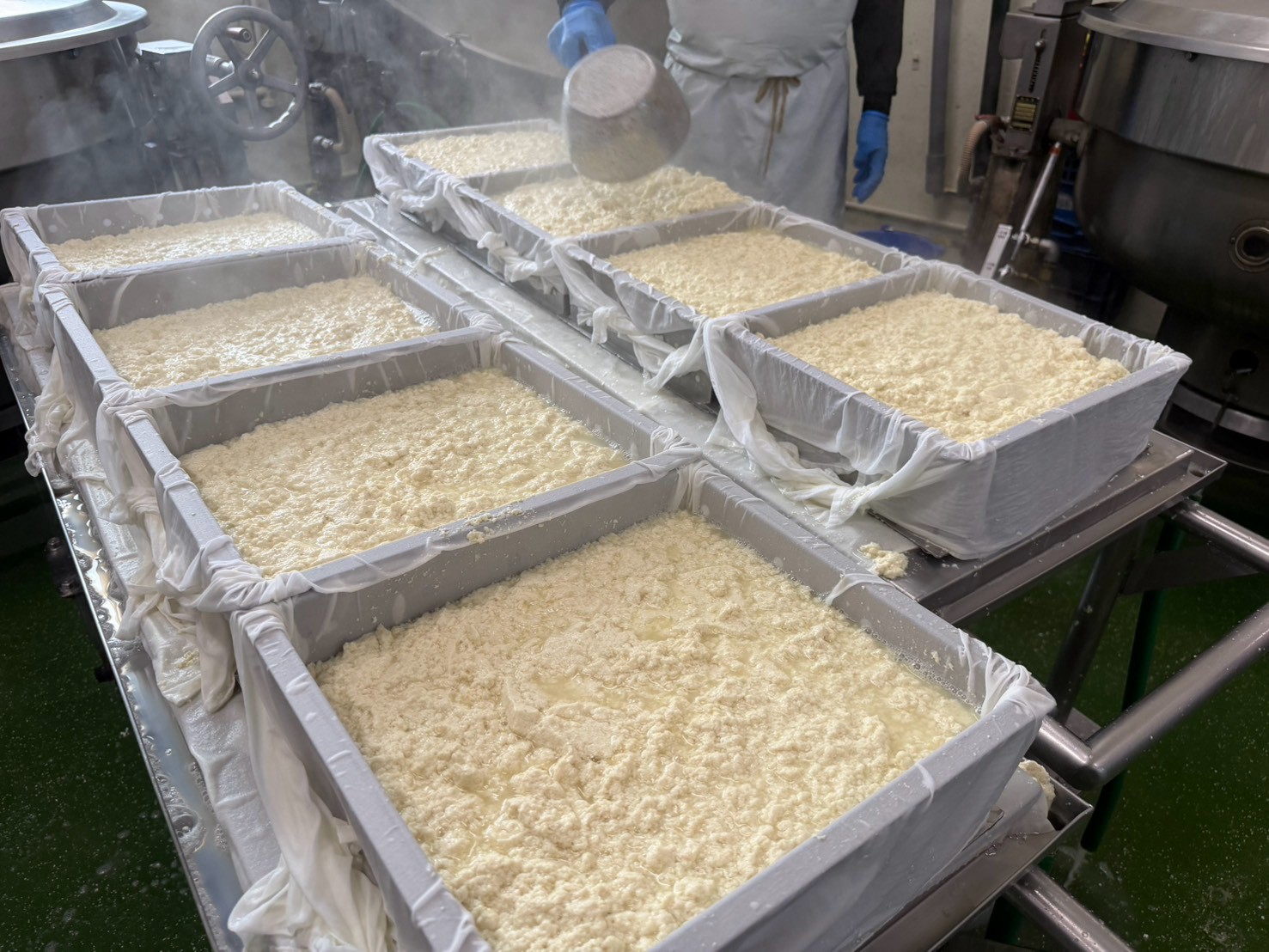
Once cooked, the soy milk is coagulated using nigari and carefully treated Okinawan seawater.
The use of seawater in tofu-making has deep roots in Okinawa's food culture and remains an important part of the tradition we value today.

MOLDING & PRESSING 06
06 — MOLDING & PRESSING

TAKING THE SHAPE OF OKINAWAN TOFU.

型入れ・成型

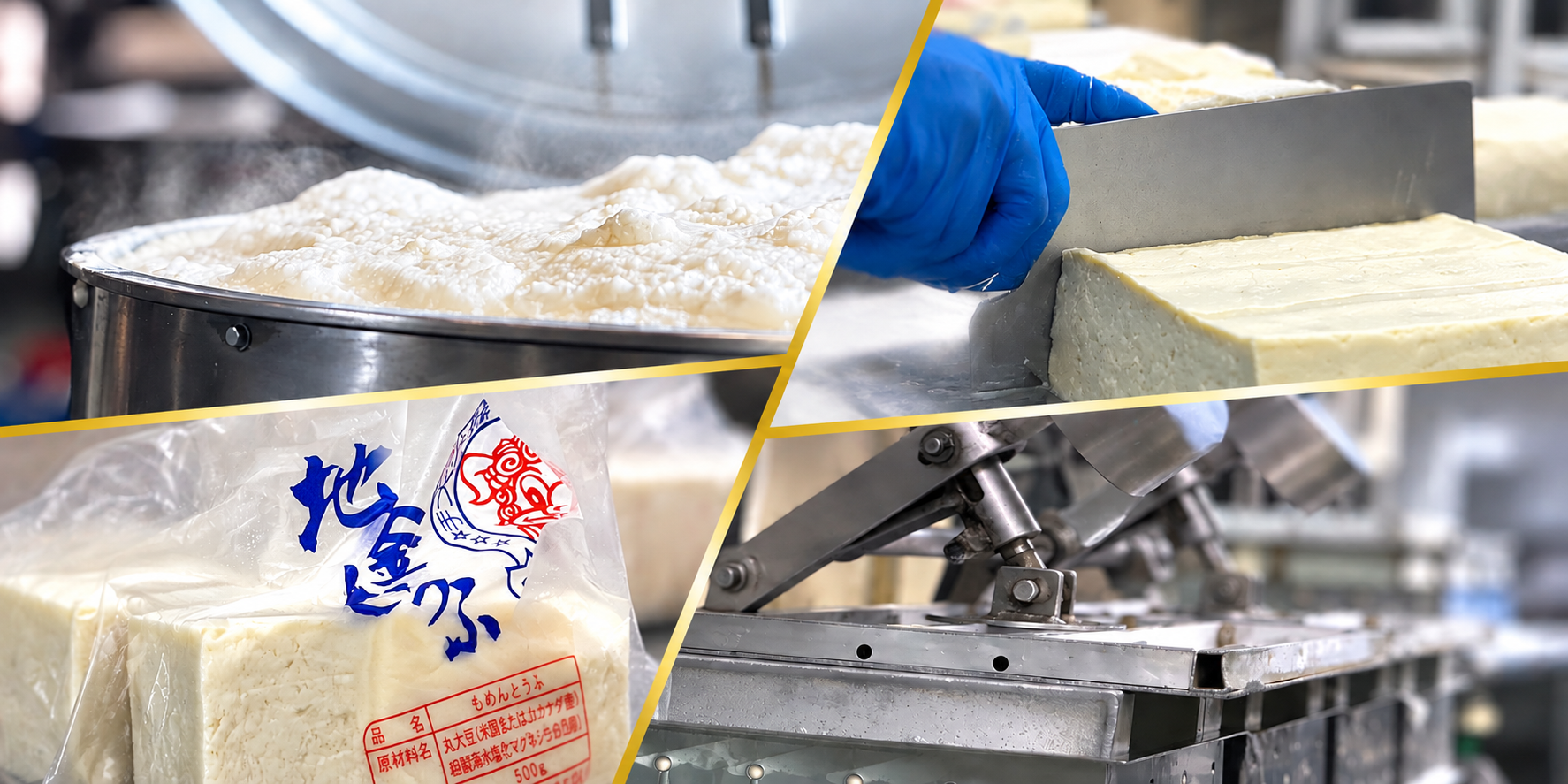
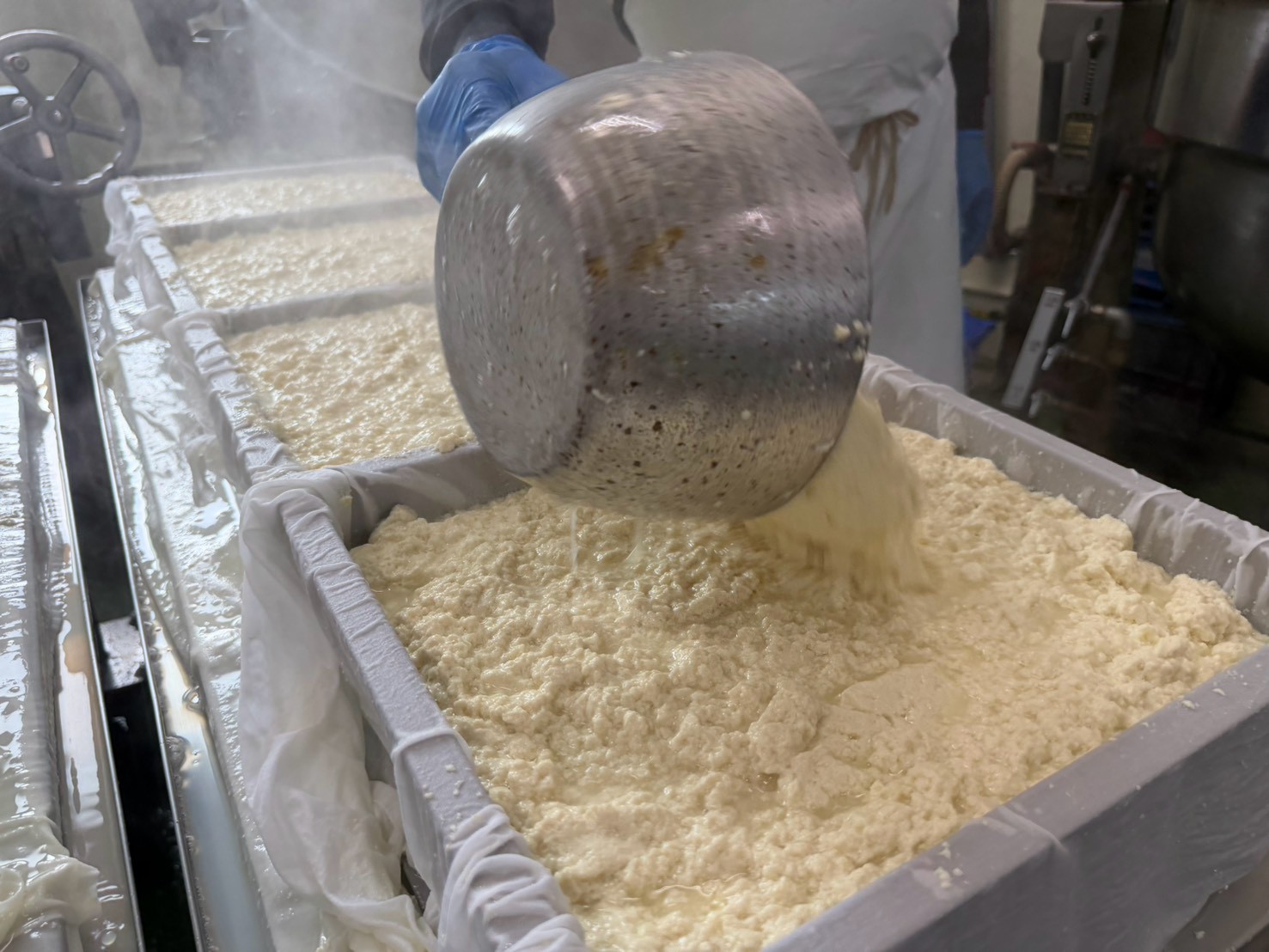
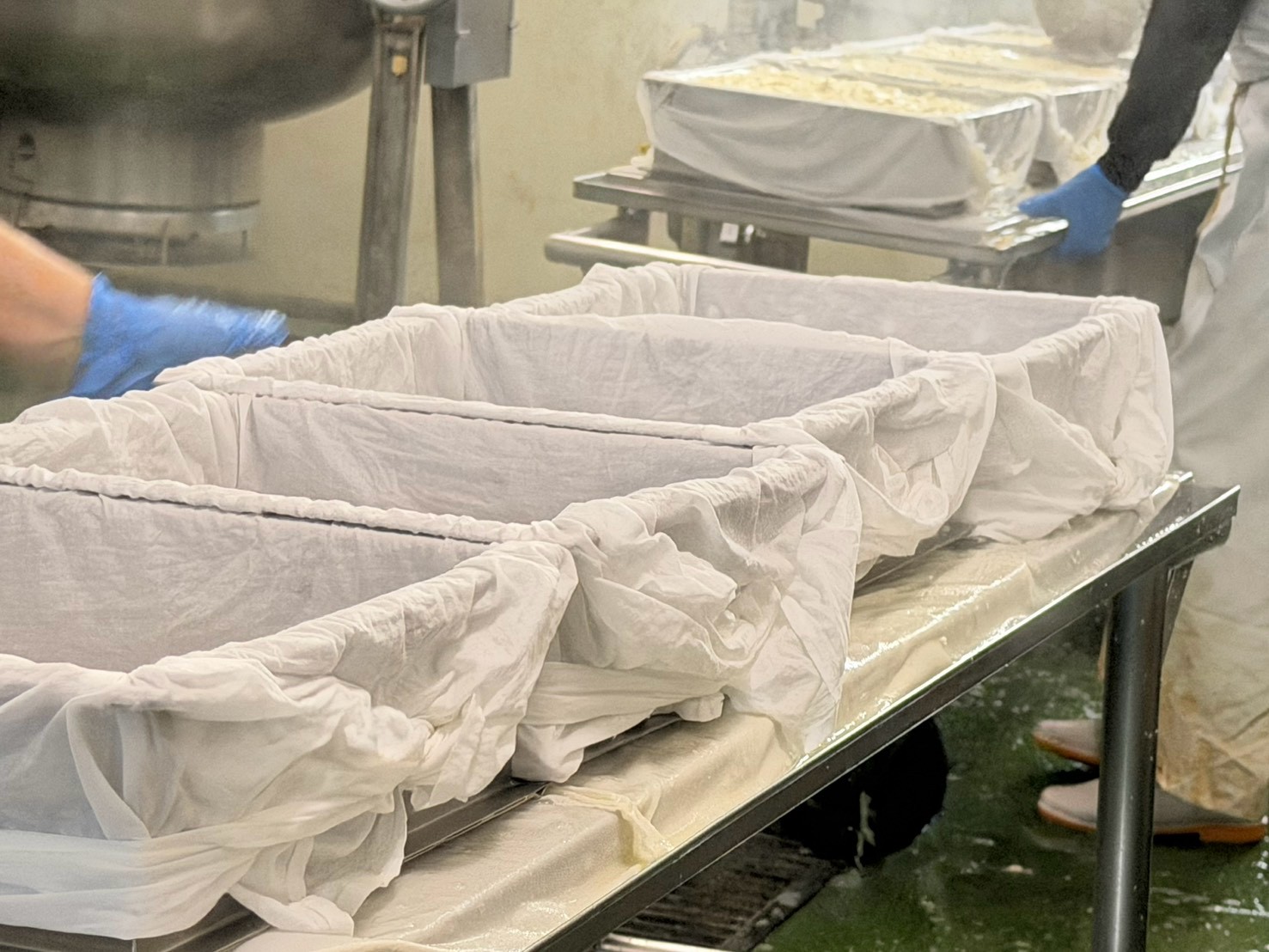
The freshly coagulated curds are transferred into cloth-lined molds and carefully pressed to remove excess moisture.
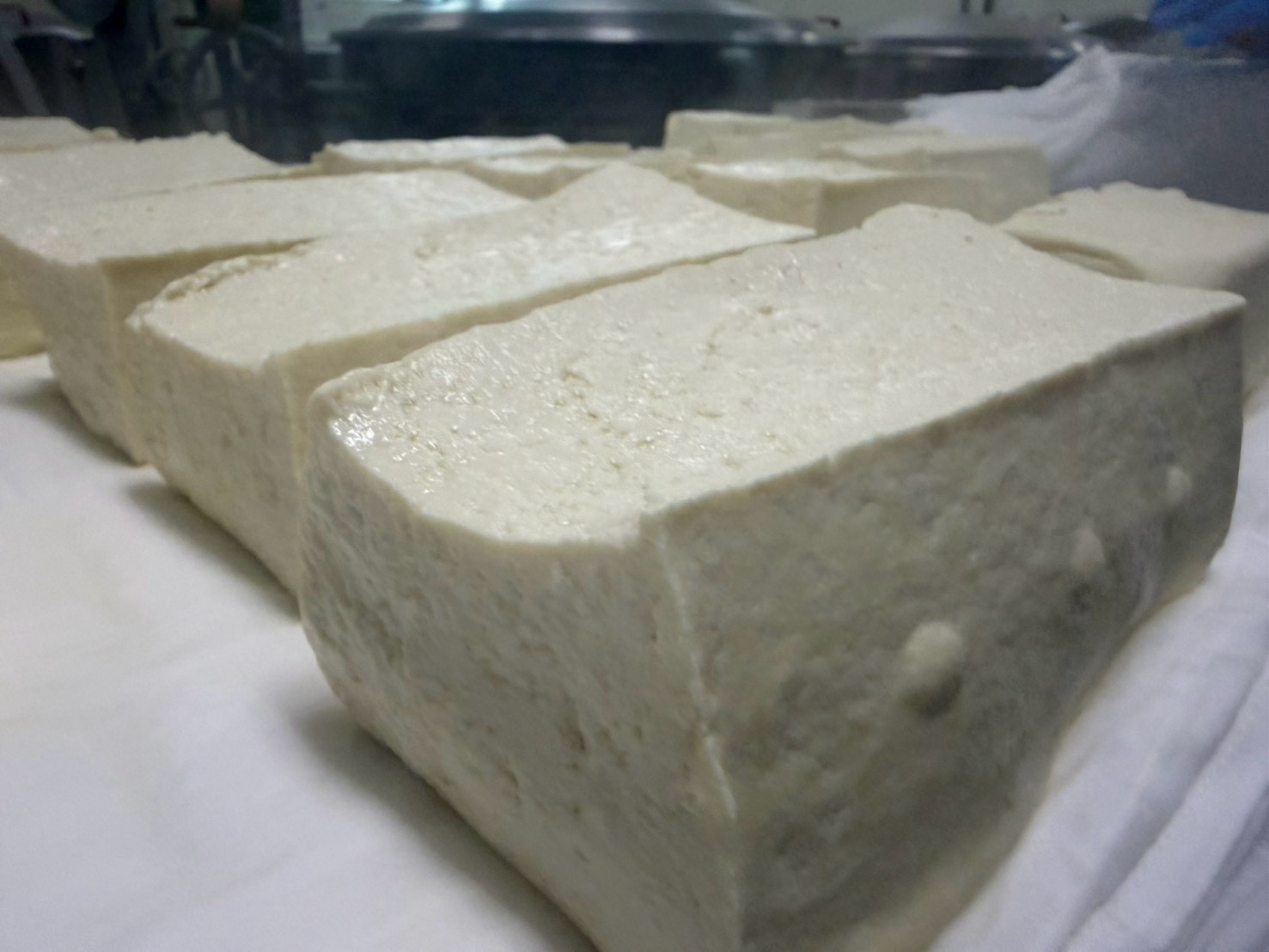
Time and pressure transform the soft curds into the firm texture characteristic of Okinawan tofu.

CUTTING & FINISHING 07
07 — CUTTING & FINISHING

FROM OUR TOFU FACTORY TO THE TABLE.

切り分け・製品化

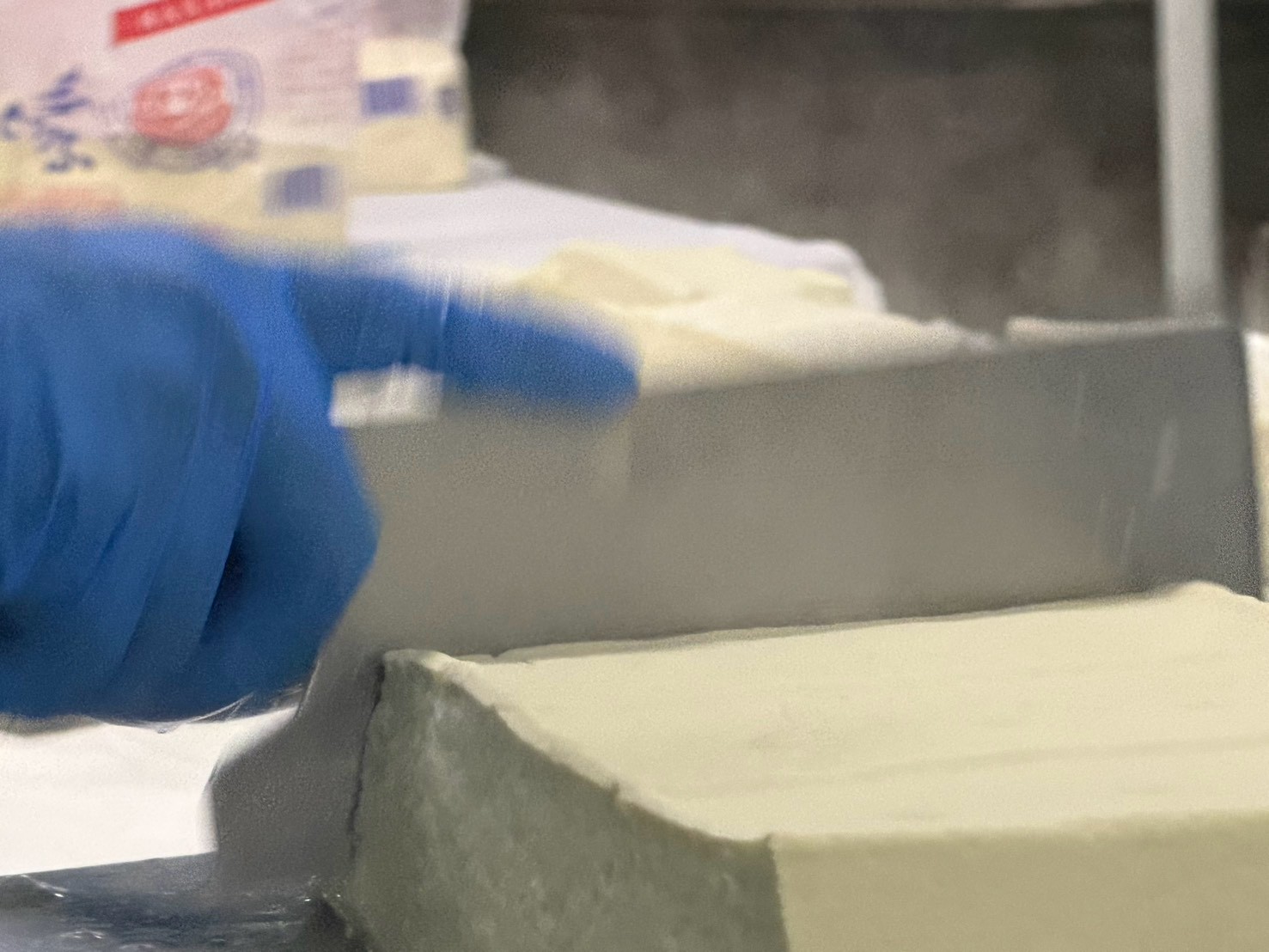
The finished tofu is cut and prepared according to each product.
From the Okinawan tofu enjoyed on local tables to our canned tofu developed for overseas markets, each product is carefully finished at Ichiriki Shokuhin.

FROM OKINAWA, TO THE WORLD.

Soybeans. Water. Fire. The sea.

We are not trying to reinvent tofu.
We are carrying forward a way of making tofu that has long been part of Okinawan food culture — bringing it to today's table, and to the next generation.
Made in Yomitan, Okinawa.
Made by Ichiriki Shokuhin.

Cloth-lined molds Molds in a row Formed tofu

BUT OUR STORY DOESN'T END HERE.

What if Okinawan tofu could cross the ocean?

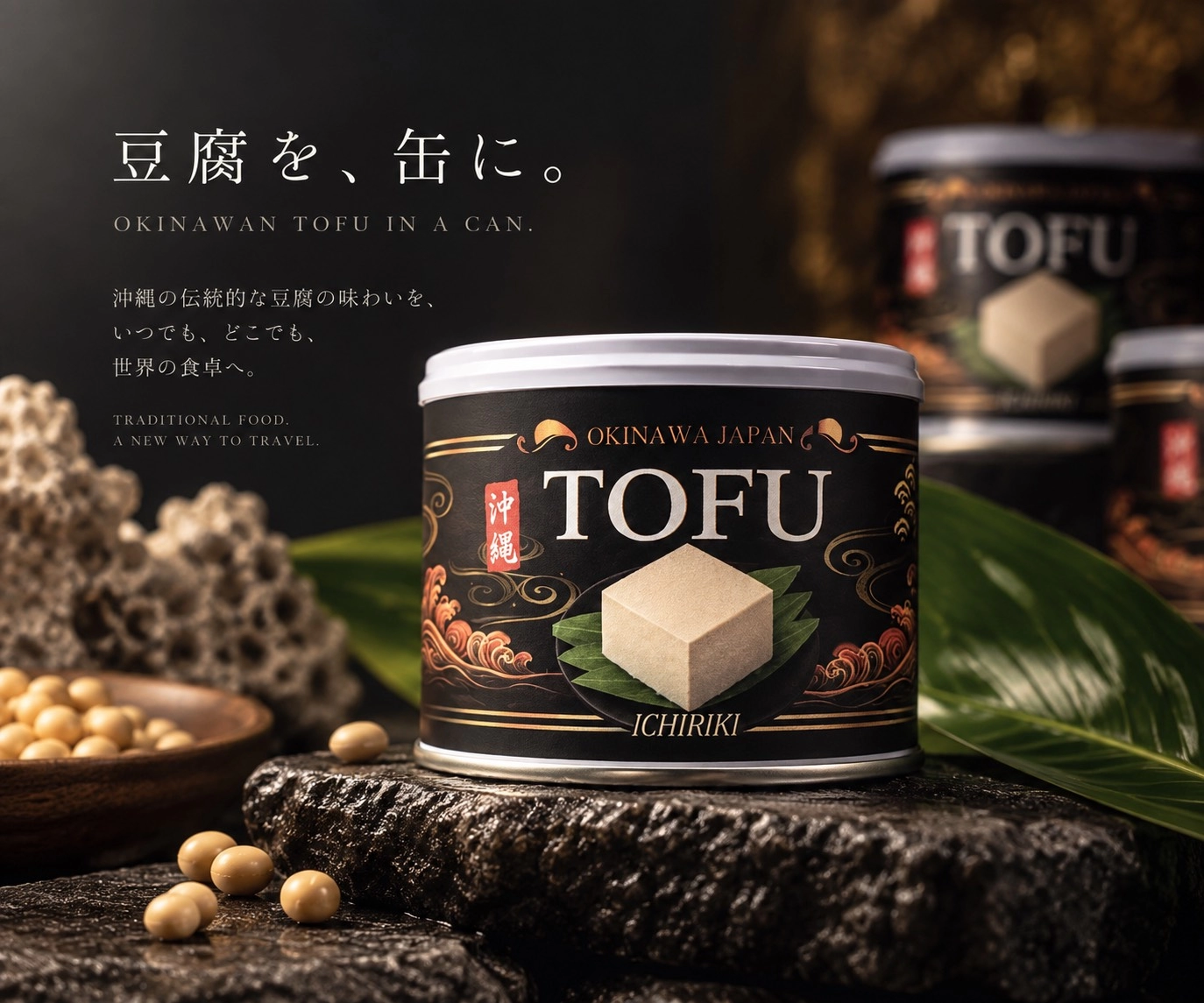
TOFU IN A CAN.

豆腐を、缶に。

Traditional food. A new way to travel.

Made with domestically grown Japanese soybeans and produced at our own canning facility under HACCP-based hygiene controls, with production and sanitation records managed digitally.
Shelf-stable for up to one year at room temperature. Developed exclusively for export, this product is currently not sold in Japan.

Okinawan tofu in a can
PRODUCT SPECIFICATIONS
SOYBEANS
Domestically grown Japanese soybeans (canned tofu only)
SHELF LIFE
Up to 1 year at room temperature (canned)
STORAGE
Ambient. To be confirmed with final specifications
FACILITY
In-house canning facility, HACCP-based hygiene controls
MOQ
Small-lot export available. Minimum order quantity to be confirmed — please contact us
EXPORT MARKETS
Australia (in preparation). Other markets to be confirmed
MESSAGE

Bringing the Taste of Okinawan Tofu to the World

When I was five years old, my parents founded Ichiriki Tofu in a small prefabricated building of just 33 square meters.
A tofu maker’s day begins before dawn and often ends late at night. I can still vividly remember watching my parents work tirelessly from early morning until well after dark. As a young boy, however, all I could think was, “I never want to do such demanding work.”
In the early years, sales were slow, and my parents went door to door each day to sell the tofu they had made. Any tofu left unsold often became our family dinner.
Even when we had tofu champuru, a traditional Okinawan stir-fry, the dish was about 90 percent tofu, with only a small amount of goya, luncheon meat, and other ingredients. My three siblings and I would compete for those precious pieces. It is a fond memory now, but at the time, eating tofu almost every day made me grow tired of it.
As the years passed, however, I came to understand the passion my parents had poured into their craft—and how meaningful it was to preserve the flavor they had worked so hard to create.
Today, we carry on the tofu-making tradition passed down by our parents, continuing production in Yomitan Village, Okinawa. My older brother oversees the production floor, while our father, now 80 years old, still stands in front of the kettle as an active tofu maker.
What have we protected since the day our company was founded?
Our unwavering commitment to food safety, quality, and the heartfelt passion we bring to every batch of tofu.
We cook our soy milk in a jigama kettle heated directly from below, then carefully set it using nigari and Okinawan seawater. This traditional method requires considerable time and effort and is certainly not the most efficient way to make tofu. Nevertheless, we believe that the care, patience, and sincerity invested in the process can be tasted in the finished product.
As a child, I wanted nothing to do with the family tofu business. Today, I am proud to carry forward both the flavor my parents created and the spirit behind it—and I am determined to share their tofu with the world.
Through the canned tofu produced at our own canning facility, we will bring Okinawan tofu and its unique food culture to people around the world. We also hope to deliver the familiar taste and spirit of Okinawa to Uchinanchu—the Okinawan diaspora—living far from their homeland.
What began in a small prefabricated building has grown into a legacy of craftsmanship and devotion. We will continue to make each product with sincerity, carrying our parents’ journey and passion forward to the next generation—and out into the world.
We sincerely appreciate your continued support of Ichiriki Foods.

Ichiriki Foods Co., Ltd.
President and Representative Director
Takuya Maekawa
FOR INTERNATIONAL PARTNERS

Inquiries

Ichiriki Foods welcomes inquiries regarding media coverage and interviews, international business opportunities, product development and collaborations, wholesale partnerships, and other projects.
Through our traditional Okinawan tofu-making methods and the unique possibilities of canned tofu produced at our own facility, we look forward to creating new value together with partners in Japan and around the world.
If you are interested in working with us, please contact us using the inquiry form below. A member of our team will review your message and get back to you.

INQUIRY→